-
Anne Larkin, Professor, Part 1, 2008
Alyssa Pacy
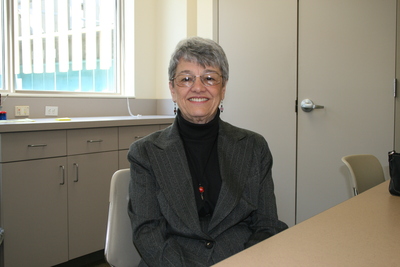
Anne Larkin discussed her tenure at Lesley University. She arrived at Lesley in 1966-67, in the process of completing her Doctorate. She elaborated on the courses she taught, working under multiple Deans, and acting as the Director of her own Educational program at the Harrington School.
-
Anne Larkin, Professor, Part 2, 2008
Alyssa Pacy
Anne Larkin describes her experience with helping students with learning disabilities and working with then Dean Lenore Parker and Assistant Dean June Fox on a Graduate Program. Thoughts on other faculty, what she believes is "The Lesley Way" and sacrifices made on the job among other things can be found here.
-
Anne Larkin, Professor, Part 3, 2008
Alyssa Pacy
Anne Larkin answers the remainder of the questions here. She elaborates on the Special Education department, her experience raising a child on the Autism spectrum, the merits of individualized child programs, regrets and other thoughts.
-
Barbara Beatty, Professor, Part 1, 2008
Alyssa Pacy and Cindy Brown
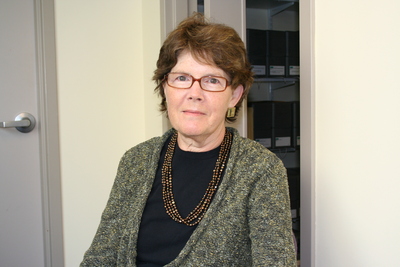
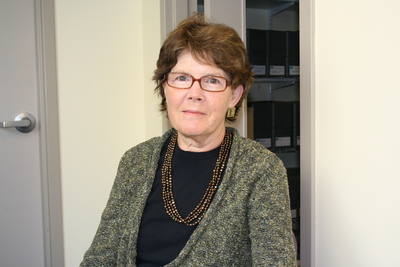
Alyssa Pacy and Lesley Archivist Cindy Brown meet with Barbara Beatty to discuss her teaching tenure at Lesley University. She mentions her arrival at Lesley in 1973 and her experiences in early childhood classrooms.
-
Barbara Beatty, Professor, Part 2, 2008
Alyssa Pacy and Cindy Brown
Barbara Beatty briefly continues on discussing her experience regarding interviewing President Don Orton on Edith Lesley.
-
Brenda Engel, Professor, Part 1, 2009
Alyssa Pacy
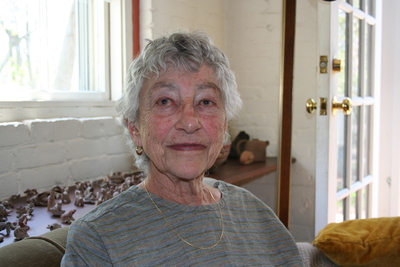
Brenda Engel discussed her tenure at Lesley University. She described her background, specifically her 1945 undergraduate degree in Fine Arts from Radcliffe College. She also elaborated on some of the courses that she taught at Lesley. Engel made a point to mention that she believed she was the only professor at Lesley without a graduate level degree nor courses under her belt at that time.
-
Brenda Engel, Professor, Part 2, 2009
Alyssa Pacy
Engel followed up the previous interview by elaborating on the North Dakota study group, working to reform education in the state. She discussed her thoughts on standardized testing, the administrative shift to President Margaret McKenna, and her retirement from Lesley.
-
Charles Gilroy, COO, Part 1, 2008
Alyssa Pacy
Charles Gilroy discussed his tenure at Lesley University. He served as the CFO for the University starting in 1991. Gilroy described working with the department, and how Lesley's transitioning from College to University had affected the administrative and cultural environment.
-
Charles Gilroy, COO, Part 2, 2008
Alyssa Pacy
Charles Gilroy followed up the previous interview by elaborating on EDS and how the University's finances are generally organized. He continued on to discuss future plans for the Brattle campus and the funds the school received from the sale of the Doble Company.
-
Debbie Sherman, Professor, Part 1, 2008
Alyssa Pacy
In her first interview Debbie Sherman discusses her education background and her tenure at Lesley University.
-
Debbie Sherman, Professor, Part 2, 2008
Alyssa Pacy
Debbie Sherman continues to discuss her Tenure at Lesley University. Following up the previous interview with information about teaching in the first centralized school, she goes into detail about her arrival at Lesley.
-
George Hein, Professor, Part 1, 2009
Alyssa Pacy
George Hein discusses his tenure at Lesley University. George talks in detail about his childhood growing up in Germany but having to move to Italy to escape the Nazi's. Then moving from Italy and finding his way to America. He also speaks on his educational background, and his arrival at Lesley.
-
George Hein, Professor, Part 2, 2009
Alyssa Pacy
During the second interview some of the topics that are discussed are the open education movement, the North Dakota Study Group and George's focus on early education.
-
George Hein, Professor, Part 3, 2009
Alyssa Pacy
During the third interview George talks about qualitative analysis, PERG, various positions he held at Lesley, classes he taught, the P.H.D program, and the transition to Margret McKenna.
-
George Hein, Professor, Part 4, 2009
Alyssa Pacy
In the fourth and final interview George talks about the International studies in China, other programs at Lesley, his role as professor emeritus, and his role in Agassiz Neighborhood.
-
Iris Fanger, Professor, 2009
Alyssa Pacy
Iris Fanger discussed her tenure at Lesley University. She mentioned her time as director of the Magic Circle Theater for Children while getting her PhD in theater studies. At Lesley, Fanger founded the Arts in Education Program and served as Harvard's Summer Dance Center Director. She also elaborated on her education beforehand, including her 1957 undergraduate degree, a 1963 Masters of Arts, and the aforementioned 1972 PhD at Tufts University.
-
June Fox, Professor, 2008
Alyssa Pacy
June Fox discussed her teaching tenure at Lesley University, starting in 1975. She elaborated on her background and how she wound up teaching at Lesley. Fox also described the early days of Lesley's graduate education program, including her direction under Bill Perry and the administrative shift from President Don Orton to President Margaret McKenna.
-
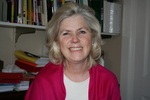
Martha Barry McKenna and Barbara Vacarr, Professors, 2010
Alyssa Pacy
Martha McKenna and Barbara Vacarr discuss their experience establishing the adult learning division.
-
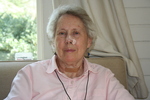
Nancy Langstaff, Professor, Part 1, 2009
Alyssa Pacy
Nancy Langstaff discussed starting the Arts in Education graduate school program at Lesley.
-
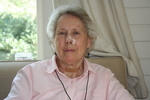
Nancy Langstaff, Professor, Part 2, 2009
Alyssa Pacy
An addendum to the previous interview, Nancy Langstaff addressed her experience teaching at the White House.
-
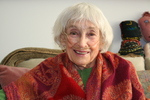
Norma Canner, Professor, Part 1, 2009
Alyssa Pacy
Norma Canner discusses her early career as an actress turned dancer, as she worked with various productions on Broadway. Her work with children and later arrival at Lesley University as a dance therapist is also mentioned.
-
Norma Canner, Professor, Part 2, 2009
Alyssa Pacy
Norma Canner follows up the first interview by describing her psychological techniques she used for psychotherapy, the effect of Freudian thinking on her work, and advice on helping students deal with their work. She describes the work that she did with students at the time, remarking on the classroom environment and other experiences in her classes at Lesley.
-
Paolo Knill, Professor, 2009
Alyssa Pacy
Paolo Knill discussed his tenure at Lesley University. He elaborated on his youth during the war in Neuhausen am Rheinfall, a Switzerland town near Germany's border. Knill detailed how those experiences in early life influenced his expressive arts teaching career.
-
Paul Crowley, Professor, Part 1, 2009
Alyssa Pacy
Paul Crowley discusses his background in eduction. He describes his experience as a founding faculty member of Lesley's Counseling Sociology department graduate program. Paul talks about what classes were offered in the early days of the program, as well as the many different internship placements. He also mentions the different location that the department has occupied from Winter Hill to 7 Melon St.
-
Paul Crowley, Professor, Part 2, 2009
Alyssa Pacy
Continuing on from the previous interview, Paul start out by discussing the open and caring atmosphere at Lesley, Likening it to the strong female presence on the campus, he preferred it to other universities he taught at. Other topics mentioned were his various positions, the classroom environment, what the students were like and his retirement.
Printing is not supported at the primary Gallery Thumbnail page. Please first navigate to a specific Image before printing.