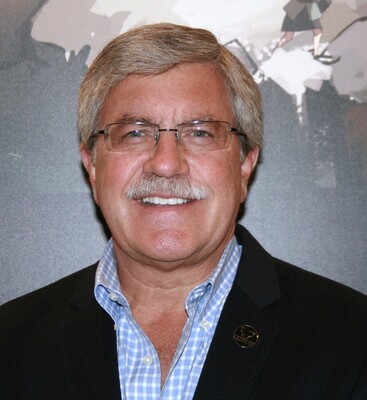
-
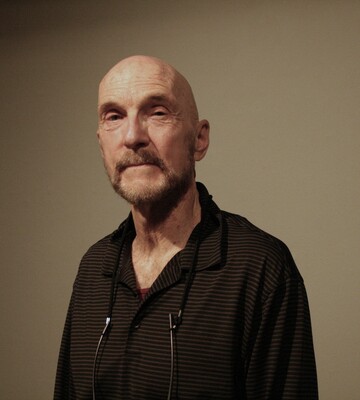
Geoffrey Koetsch, Professor, Part 1, 2013
Alyssa Pacy
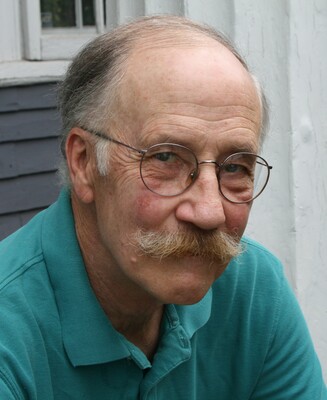
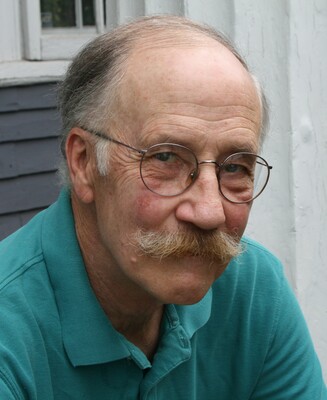
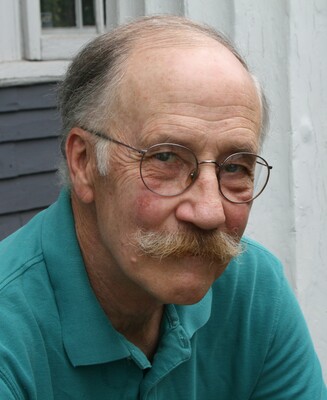
Geoffrey Koetsch, Professor Emeritus at Lesley College of Art and Design since 2015, began teaching at the Art Institute of Boston (AIB) in the late 1960s and played a key role in shaping its programs.
In his first interview, he reflects on his early experiences at the School of Practical Art, the transition to AIB, and his leadership in developing the Foundation, Fine Arts, Printmaking, Sculpture, and Welding departments. He discusses student activism, faculty influences, the challenges faced by AIB, and the school’s merger with Lesley University. Koetsch also highlights his enthusiasm for interdisciplinary curriculum and his ongoing artistic practice.
Note:
These interviews are part of a series conducted in honor of AIB’s centennial in 2012, marking 100 years since its founding.
The School of Practical Art (SPA) and the Art Institute of Boston (AIB) are used interchangeably. The school was founded as the School of Practical Art in 1912 and changed to the Art Institute of Boston in 1967.
-
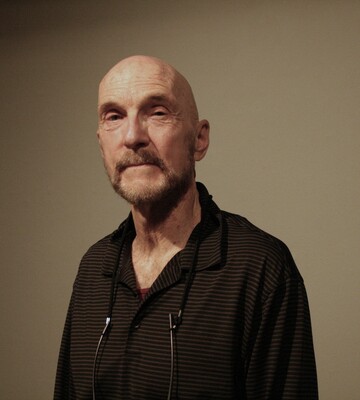
Geoffrey Koetsch, Professor, Part 2, 2013
Alyssa Pacy
In this second interview, Geoffrey Koetsch reflects on student activism, faculty influences, and the challenges AIB faced, including the departure of William (Tuck) Willis, Jr., the school’s accreditation, and leadership transitions. He discusses his efforts to design courses for working artists and his role as Faculty Senate President during the merger with Lesley University. Koetsch also highlights interdisciplinary collaborations with Lesley faculty in Psychology and Art History, the relocation of AIB to Cambridge, and shares insights into his teaching philosophy, administrative approach, enthusiasm for interdisciplinary curriculum, and ongoing artistic practice..
Note:
These interviews are part of a series conducted in honor of AIB’s centennial in 2012, marking 100 years since its founding.
The School of Practical Art (SPA) and the Art Institute of Boston (AIB) are used interchangeably. The school was founded as the School of Practical Art in 1912 and changed to the Art Institute of Boston in 1967.
-
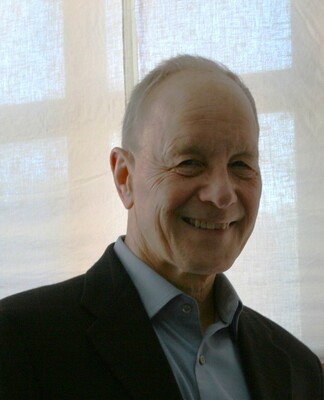
Stan Trecker, President, Part 1, 2013
Alyssa Pacy
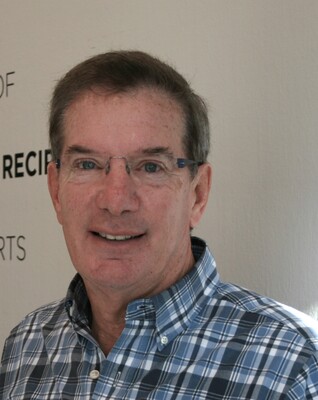
Stan Trecker served as President of the Art Institute of Boston (AIB) from 1991 to 1998 and played a key role in the AIB/Lesley merger. Following the merger, he became Dean and Director of AIB, a position he held until 2002. From 2002 to 2007, he served as President of Montserrat College of Art before returning to AIB as Dean in 2007, a role he continued to hold until his retirement in 2014.
In this first interview, Trecker reflects on his background, his arrival at AIB, the merger with Lesley University, AIB’s relocation to Cambridge, and other significant moments in the school’s history.
Note:
These interviews are part of a series conducted in honor of AIB’s centennial in 2012, marking 100 years since its founding.
The terms “School of Practical Art” (SPA) and “Art Institute of Boston” (AIB) are used interchangeably. The institution was founded as the School of Practical Art in 1912 and renamed the Art Institute of Boston in 1967.
-
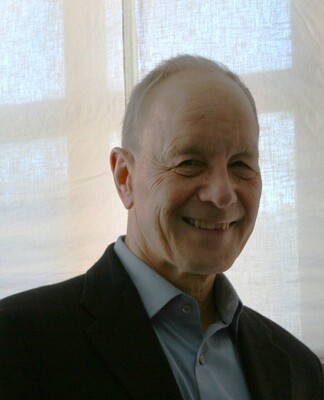
Stan Trecker, President, Part 2, 2013
Alyssa Pacy
Stan Trecker served as President of the Art Institute of Boston (AIB) from 1991 to 1998 and played a key role in the AIB/Lesley merger. Following the merger, he became Dean and Director of AIB, a position he held until 2002. From 2002 to 2007, he served as President of Montserrat College of Art before returning to AIB as Dean in 2007, a role he continued to hold until his retirement in 2014.
In this second interview, Trecker reflects on the construction of the new art school building in Cambridge, the fundraising efforts that supported it, the institution’s name change, his tenure at Montserrat College of Art, and his return to AIB in 2007.
This interview is part of a series conducted in honor of AIB’s centennial in 2012, marking 100 years since its founding.
Note: The terms “School of Practical Art” (SPA) and “Art Institute of Boston” (AIB) are used interchangeably. The institution was founded as the School of Practical Art in 1912 and renamed the Art Institute of Boston in 1967.
-
William (Tuck) Willis, Jr., President, Part 1, 2013
Alyssa Pacy
William (Tuck) Willis, Jr. served as President of the Art Institute of Boston (AIB) from 1977 to 1991. During his tenure, the school earned accreditation from the National Association of Schools of Art and Design (NASAD). Tuck followed in the footsteps of his father, William Willis, Sr., continuing a longstanding family legacy with AIB. Both of his parents, Barbara Willis and William Willis, Sr., were alumni of the school and taught there for many years.
In this first interview, Tuck reflects on his background and shares memories of his parents’ involvement with the School of Practical Art (SPA) and the Art Institute of Boston (AIB). He discusses his childhood experiences with SPA, the school’s early years in the 1930s, Roy Davidson’s role in its founding, its multiple relocations, the name change from the School of Practical Art to the Art Institute of Boston and his own journey to becoming Director of Admission.
Notes:
These interviews are part of a series conducted in honor of AIB’s centennial in 2012, marking 100 years since its founding.
The terms “School of Practical Art” (SPA) and “Art Institute of Boston” (AIB) are used interchangeably. The institution was founded as the School of Practical Art in 1912 and renamed the Art Institute of Boston in 1967.
-
William (Tuck) Willis, Jr., President, Part 4, 2013
Alyssa Pacy
In this fourth interview, William (Tuck) Willis, Jr. discusses the challenges of property acquisition and the renovation of 700 Beacon Street, where he served simultaneously as architect and president of the Art Institute of Boston (AIB). He reflects on AIB’s NASAD accreditation, its achievement of degree-granting authority, and the school’s 75th anniversary celebration. Willis also addresses financial and organizational struggles that required fundraising and restructuring, shares his reasons for leaving AIB in 1991, and offers reflections on the institution’s later direction. The interview concludes with personal stories about his family.
Notes:
These interviews are part of a series conducted in honor of AIB’s centennial in 2012, marking 100 years since its founding.
The terms “School of Practical Art” (SPA) and “Art Institute of Boston” (AIB) are used interchangeably. The institution was founded as the School of Practical Art in 1912 and renamed the Art Institute of Boston in 1967.
-
William (Tuck) Willis, Jr., William (Tuck) Willis, Jr., President, Part 2 and 3, 2013
Alyssa Pacy
In the second interview conducted on May 15, 2013, Tuck discusses his role as Director of Admissions and reflects on the School of Practical Art’s (SPA) efforts toward accreditation. He also explores the school’s growth and relocations, its transition to nonprofit status, and the purchase of 700 Beacon Street. Additionally, Tuck addresses budgeting controversies and the leadership transition that followed the resignation of his father, William Willis, Sr., when Tuck became president.
In the third interview conducted on May 22, 2013, Tuck reflects on the financial challenges faced by the Art Institute of Boston (AIB), along with issues related to facilities and student recruitment. He also talks about leasing property from Boston University and the renovation of 700 Beacon Street, describing the space in detail. The interview was interrupted by an unexpected visit from Robert (Bobbie) Bertis, a 1969 AIB alumnus and employee beginning in 1972, whom Tuck hadn’t seen in 20 years.
Notes:
Unfortunately, Part 3 of the interview, conducted on May 22, 2013, was not preserved due to a malfunction during the transfer of the digital file to the computer for processing. However, detailed notes taken by Alyssa Pacy during the interview are available in the field notes.
These interviews are part of a series conducted in honor of AIB’s centennial in 2012, marking 100 years since its founding.
The terms “School of Practical Art” (SPA) and “Art Institute of Boston” (AIB) are used interchangeably. The institution was founded as the School of Practical Art in 1912 and renamed the Art Institute of Boston in 1967.
-
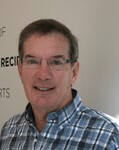
Carl Youngman, Trustee, 2012
Alyssa Pacy
Carl Youngman served as a trustee for both the Art Institute of Boston (AIB) and Lesley University from the early 1990s to 2013, playing a key role in the AIB/Lesley merger as Vice Chair of the AIB Board. In this interview, he reflects on his background, his involvement with AIB and the Photographic Resource Center, and his passion for photography, including encounters with Ansel Adams and Berenice Abbott. Youngman discusses the evolution of the AIB Board, the merger with Lesley, working with President Margaret McKenna, and AIB’s relocation to Cambridge. He also shares his hopes for the school’s future, what he believes makes AIB unique, and a favorite story from his time with the institution.
Note:
These interviews are part of a series conducted in honor of AIB’s centennial in 2012, marking 100 years since its founding.
The School of Practical Art (SPA) and the Art Institute of Boston (AIB) are used interchangeably. The school was founded as the School of Practical Art in 1912 and changed to the Art Institute of Boston in 1967.
-
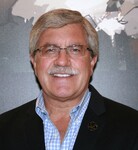
Rich Doucette, Trustee, 2012
Alyssa Pacy
Rich Doucette served as a trustee for both the Art Institute of Boston (AIB) and Lesley University from the early 1990s to 2011, playing a key role in the AIB/Lesley merger. He chaired the AIB Board of Trustees during the 1998 merger, later joined Lesley’s board in 2001, and served as Chair of the Trustee Affairs Committee from 2004–2011.
In this interview, Doucette reflects on his service with both boards, covering his early involvement with AIB, the merger process, the transition of trustees, leadership changes from Presidents Margaret McKenna to Joseph Moore, and the relocation of AIB to Cambridge to establish the new art school.
Notes:
These interviews are part of a series conducted in honor of AIB’s centennial in 2012, marking 100 years since its founding.
Printing is not supported at the primary Gallery Thumbnail page. Please first navigate to a specific Image before printing.